
ACCESS NL > Features > Finding Home Between People
Finding Home Between People
2026/07/22 | By Maryam Mollaei
When people hear that I moved to the Netherlands, they usually imagine a story about entrepreneurship: someone arriving with a business idea, building a company, starting a new chapter. That story is true, and part of why I came. But when I think about my first months here, entrepreneurship is not what comes to mind first.
What I remember most vividly is how tired I was, not from long working hours. Before moving, I had spent more than a decade as a social researcher and facilitator in Iran, used to responsibility and complexity. The exhaustion after migration was different. I remember coming home after hours spent trying to understand health insurance, feeling more drained than after some of the busiest days of my career. Nothing remarkable had happened; I had simply tried to function in a place where almost everything was new; municipal registration, a bank account, housing, a first doctor’s appointment, each demanding research, translation, and patience.
Gradually, I realised that migration asks you to become a beginner again. Back in Iran, I knew how things worked and where to go for help. One of the most underestimated parts of migration is how much energy it takes simply to function somewhere new. The practical challenges were only one layer. What surprised me more was starting over socially and professionally. I had spent years building a professional identity; people knew my work. Then, almost overnight, I became a newcomer, explaining who I was in a few minutes at networking events. Again and again came the question: “Tell me about yourself.” How do you summarise an entire life over a cup of coffee?
Moving abroad did not weaken my connection to Iran, it made it more complicated. My body is in the Netherlands, but part of my emotional life stayed in Iran; when crises unfold back home, my attention travels there immediately. For a while I thought this meant I was failing to adapt. Eventually I realized many migrants live this way, building a future in one country while remaining emotionally tied to another.
During those months, people became my anchors. As a researcher, I had spent years studying social capital and trust; migration was the first time I truly understood what it feels like to depend on them myself. There were Mohsen and Bahareh. Homesickness does not always arrive through thought; sometimes it arrives through a smell or taste. Their generosity reminded me that home is not always a place, sometimes it is simply a shared meal, and people who make you feel welcome. Armin, my co-founder, had arrived before me and already understood systems I was still learning; his guidance on daily life and building something new made unfamiliar paths feel clearer. These relationships taught me that very few of us truly start from zero. We arrive carrying friendships and communities that continue supporting us across borders, an invisible network that keeps us moving when everything else feels uncertain.
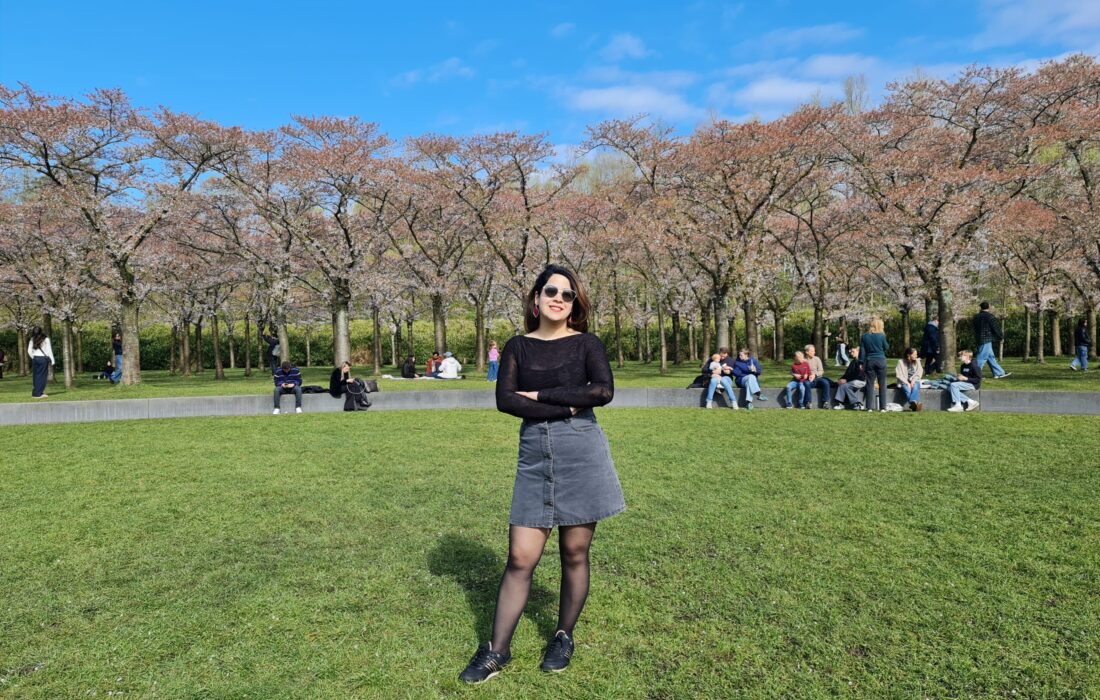
New relationships were also emerging here. Mahban’s support felt less like friendship and more like family, something sisterly in how she checked in and simply showed up. Family, I learned, is not always defined by blood, but by presence. My Dutch landlady, Ilonka, turned a simple housing arrangement into something meaningful, through small gestures like a kitchen conversation or a question about my day. Then there was Johan, my first Dutch friend, through whom I began to understand the Netherlands beyond paperwork. Countries become meaningful through people; relationships turn a place where you live into one where you belong. My dearest Shahnaz became another kind of anchor: with her wisdom and generosity, she helped me settle in.
Around that time, I joined a course called Coaching Across Continents, hoping to learn coaching skills. Instead, I found myself surrounded by people also navigating transitions and questions of identity and belonging, and I realized what I was experiencing was not unique. I stopped waiting for a moment when I would finally feel I belonged; instead, it appeared in small ways, conversations, friendships, familiar faces. Without noticing exactly when, my network expanded. Coffee meetings became collaborations, collaborations became friendships, and the Netherlands slowly felt less like a destination and more like a community.
This story is still unfolding. As I write, I have lived in the Netherlands for only about seven and a half months. I am still a newcomer in many ways, there are systems I don’t fully understand, and days I wonder if I’m doing enough. I still miss home. But unlike my first months, I no longer feel completely lost. I am beginning to recognize myself again: not the person who left Iran, not yet who I will become, but someone learning to hold both worlds at once.
Looking back, I can see how these experiences shaped SilverLinks. I had spent years researching belonging and connection; migration let me experience their value from the inside, no longer only studying support networks but relying on one myself. People do not build new lives through paperwork and residence permits alone. They build them through connection, conversations, kindness, and the people who make room for us before fully knowing our stories, and sometimes, that is how a place slowly begins to feel like home.
Maryam Mollaei
Iranian, Entrepreneur
ACCESS Stories is a monthly newsletter with the heartfelt intent to help you make the most of your new lives in the Lowlands. Visit our Features page to explore all published stories.


